My blog is reader supported. If you click through and purchase, I may receive a commission at no cost to you.
Hi I'm Nicole!

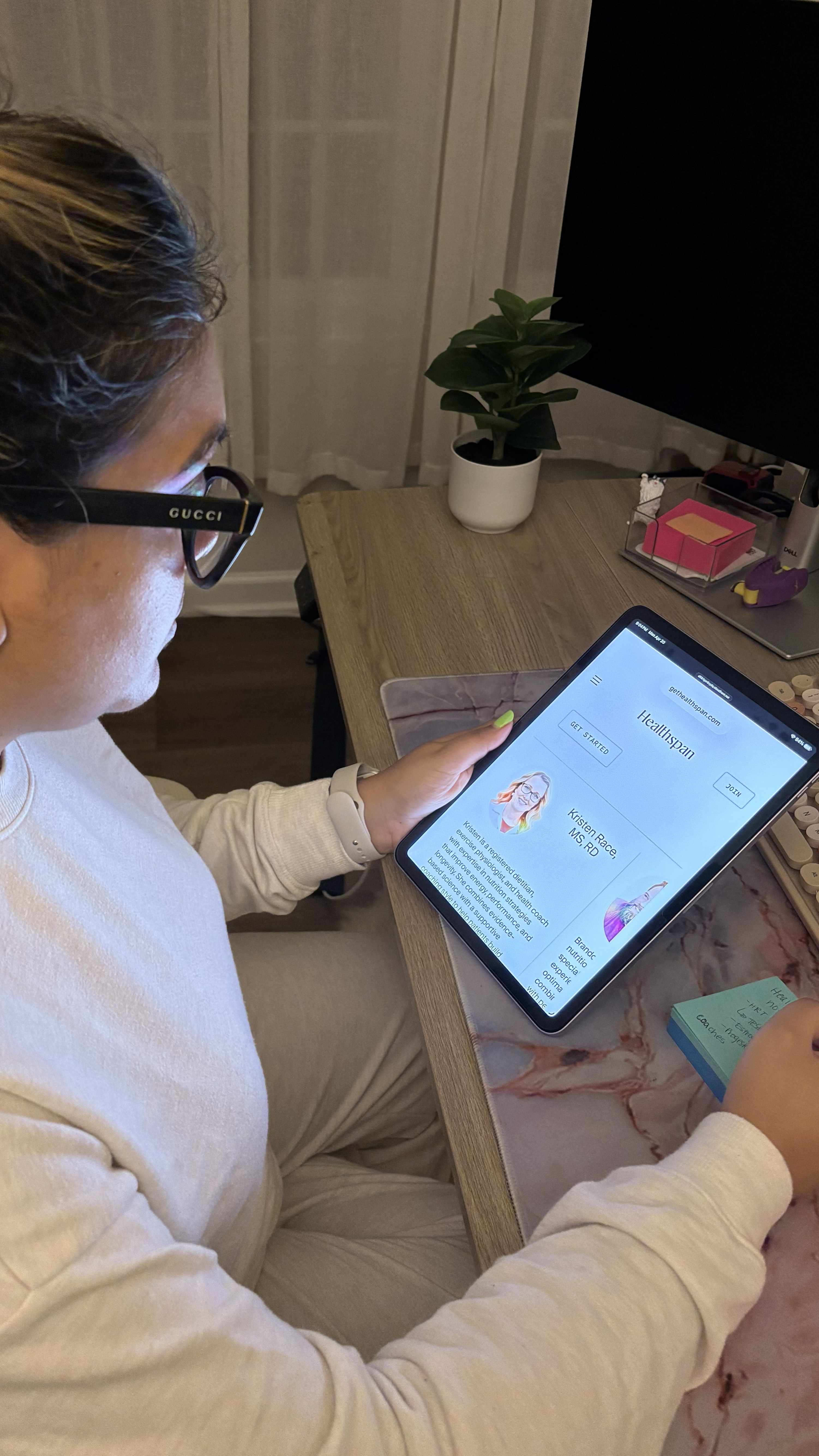
I’m a mom and nurse practioner for 11 years. When my own hormones started shifting, I went looking to find the best hrt clinic available. Here's what I found.

The Best Online HRT Clinics of 2026 — by a Nurse Practitioner

Last updated: 4/15/2026
65+ hours of research

Too many women spend years being told their labs are fine and their symptoms are normal. They aren't. I went through every major HRT clinic myself — as an NP and as a patient — so you can skip straight to what actually works.

Below are my top 5 reccomendations:

Why Choosing the Right HRT Clinic Actually Matters

In eleven years as a nurse practitioner I've watched more women settle for mediocre hormone care than I can count — not because good options don't exist, but because nobody told them what to look for. The clinic you choose matters more than most people realize. Here's why:

Hormone therapy is a long-term protocol, not a one-time prescription

HRT isn't something you start and forget. Your needs change. Your dose needs adjusting. What works at month three may not work at month nine. The quality of your care six months in matters as much as the quality of your first consultation.

Your symptom picture is unique

Perimenopause and menopause present differently in every woman. Some need estrogen alone. Some need progesterone. Many need testosterone addressed too — something a surprising number of clinics don't even offer.

Lab work tells a story over time

A single hormone panel is a snapshot. What matters clinically is how your levels change in response to treatment, and whether someone is paying attention to that trajectory.

The provider relationship is the treatment

This is the part that gets lost in telehealth. The research on chronic condition management is consistent: continuity of care — seeing the same provider over time — produces meaningfully better outcomes than rotating through whoever's available.

Not all telehealth is created equal

The growth of this space has been good for access. It's also produced a lot of platforms optimizing for signups rather than meaningful outcomes.


How I Evaluated These Clinics

A note on my process before you read the rankings.

I want to be upfront about what this review is and isn't. I didn't spend six months on each protocol. What I did do is go deeper than any star rating or comparison chart — and as a nurse practitioner, I was able to evaluate things a non-clinical reviewer can't.
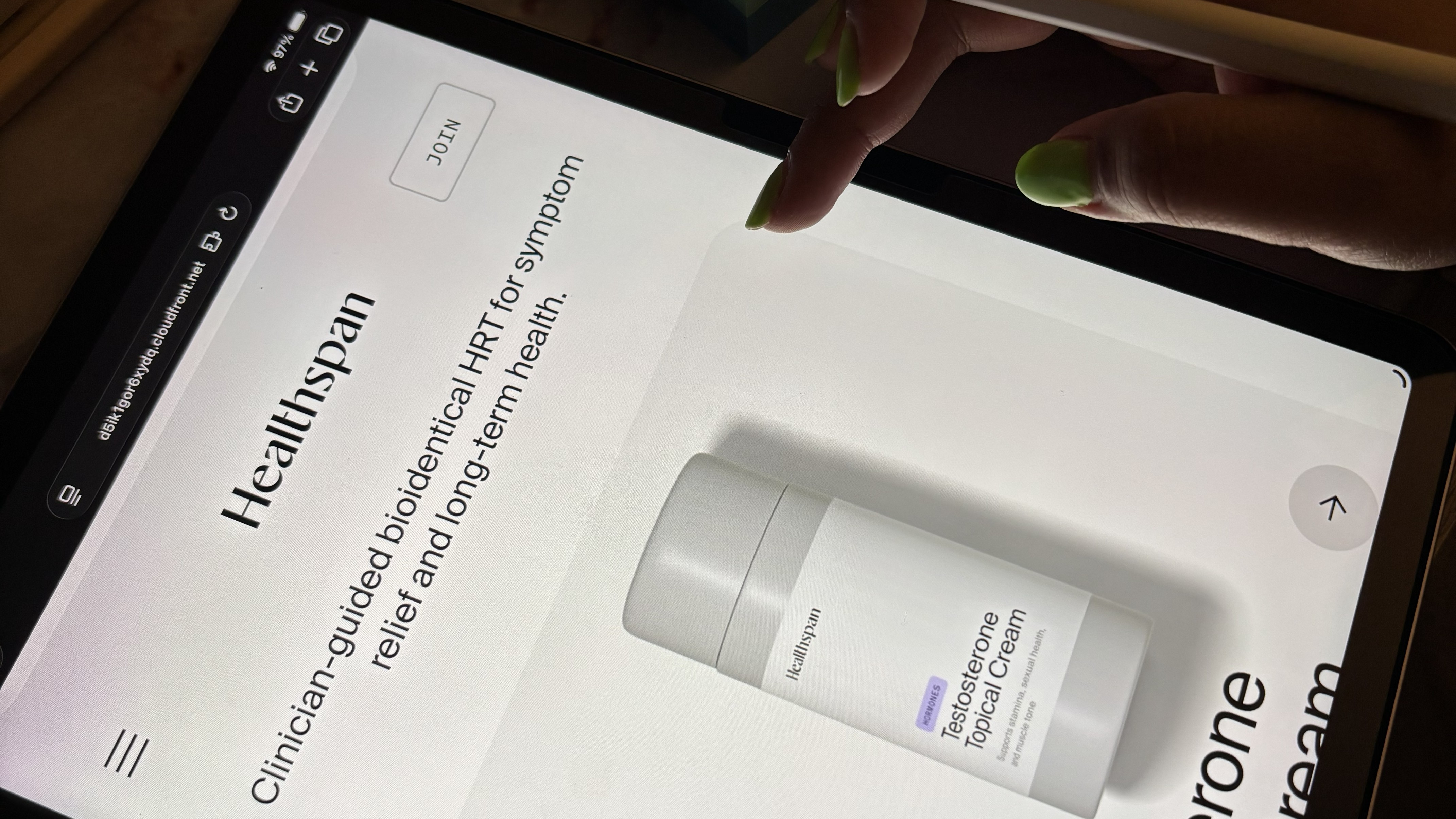
Here's exactly what I looked at:

The provider relationship is the treatment

I completed the full onboarding on every platform myself, looking at how thorough the symptom assessment was, how transparent the pricing was upfront, and whether the process felt like a clinic taking my health seriously or a subscription service trying to close a sale.

The consultation

I attended an initial consultation on each platform. As an NP I wasn't just evaluating whether the provider was friendly — I was listening for whether they asked the right clinical questions and offered a protocol that actually made sense for the symptom picture I presented.

Provider credentials

I verified the clinical staff on each platform. Board certifications, menopause specialization, and whether the team is built around hormone specialists or general practitioners who added HRT to a broader telehealth practice. Clinically meaningful and publicly verifiable.

Formulary depth

I mapped out what each platform actually prescribes — which hormones, which delivery formats, how much flexibility exists. A clinic with a narrow formulary is making clinical compromises before you've even started.

Real patient feedback

I spent time in patient communities reading what women say after the honeymoon period ends. Not star ratings — the substance. What happens when a dose needs adjusting? How responsive is the provider between visits? That's where clinics reveal their actual priorities.

Pricing transparency

I looked at what each platform shows you before you pay versus what only becomes clear after signup. Total cost of care is rarely what the headline price suggests.

Full Provider Reviews

HEALTHSPAN

4.9 / 5
Best Overall HRT Clinic
Visit Healthspan

What I love:

Same provider, every visit.
They know your history because they built it with you. This is rare and it changes the quality of your care completely.

Lab-driven adjustments.
They're looking at your numbers in context, not just asking how you feel on a scale of one to ten.

Full hormone coverage.
Estrogen, progesterone, testosterone, DHEA — all of it, calibrated to you specifically.

They think long-term.
Cardiovascular health, cognitive function, bone density — not just symptom relief. This is a clinic that's following the same research you are.

Your provider answers your messages.
Not a support team. Your actual clinician.

What could be better:

It's not the cheapest option. The clinical depth is real but it comes at a price. If budget is the primary driver, other options on this list will get you started.

It's telehealth only. No in-person option if you ever want or need it.

Best for:

Women who want a clinical-grade, long-term hormone health relationship — not just a prescription.

After going through all five platforms, Healthspan was the one I kept coming back to — and it comes down to one thing: you see the same provider every time.

That sounds obvious. In telehealth HRT, it almost never happens. Most platforms route you to whoever's available. You start over every visit. Your new provider is reading your chart for the first time while you're trying to explain why the progesterone cream made you feel worse before the patch finally worked. It's exhausting, and it's not good medicine.

Healthspan assigns you a dedicated clinician from the start. They follow your case. They remember what you tried, what didn't land, and why you adjusted your dose in month three. That relationship is the whole point — because hormone therapy isn't a one-visit fix. It's a long-term protocol that needs someone paying attention over time.

Clinically, they go deeper than most. Full-spectrum protocols — estradiol, progesterone, testosterone, DHEA — with delivery formats chosen based on your physiology, not just what's easiest to ship. If your picture is more complex than textbook perimenopause, that matters.

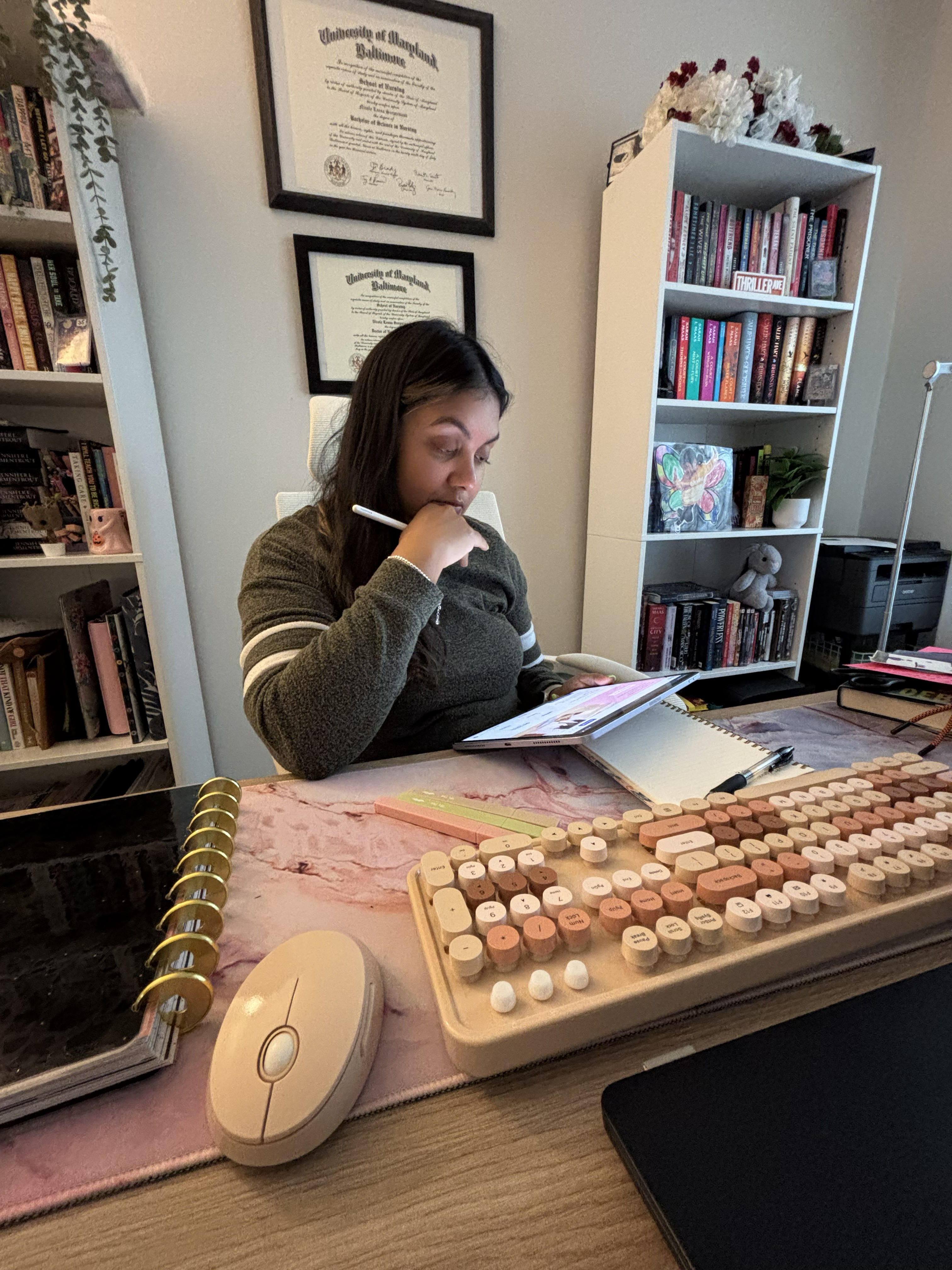
When I first connected with Kristen, their HRT coach, she asked real questions, actually listened to the answers, and made connections between symptoms I'd mentioned offhand and things she'd seen in my labs. It felt less like an onboarding call and more like talking to a colleague who genuinely knew what she was doing. By the end of the conversation I had a clearer picture of my own hormonal picture than I'd gotten from providers I'd seen in person for years.

What It Actually Feels Like to Work With Healthspan

A note on my experience with Kristen Race, MS, RD — Healthspan Health Coach

I'll be honest — I didn't expect much from this call.

I've sat through enough intake conversations to know how they usually go, but Kristen was different. Within the first few minutes I could tell she wasn't reading from a script — she was asking about my life, my career, and my kids.

She knew exactly who I was before I finished describing myself.A few things she said that stopped me:

She actually listened: Not in the way where someone nods and moves to the next question. She connected things I mentioned offhand into a picture that finally made sense — and told me plainly that what I'd been experiencing was real, not something to manage or push through.

She had the testosterone conversation: Most providers won't go there. Kristen led with it. Energy, mood, libido, muscle mass — she explained exactly what declining testosterone was doing to my body and why most women are never told it's part of their hormonal picture at all.

She looked at everything: Labs and symptoms together. Sleep, stress, energy patterns, long-term goals. The protocol we built reflected all of it — not just the obvious numbers.

By the end I felt something I hadn't felt in a long time coming out of a clinical conversation — like someone had actually seen the full picture and knew what to do with it. The best part was she's available when I needed her. Not a support team. Kristen.

MIDI HEALTH

4.4 / 5
Best for Insurance Coverage

What I love:

In-network with most PPO plans — a genuine differentiator and meaningful for women who've been paying cash for everything

Menopause-specialist clinical team, not generalists

Fast intake and appointment turnaround

Broad formulary including non-hormonal options and GLP-1 if relevant

What could be better:

Care team model means you're not always seeing the same provider — continuity is inconsistent

It's telehealth only. No in-person option if you ever want or need it.

Async communication routes through support staff more often than your clinical team

Best for:

Women with PPO insurance who want fast access to a menopause-trained clinician and don't want to pay out of pocket.

Midi has built something genuinely impressive: a menopause-specialist telehealth platform that takes insurance and employs clinicians who actually know what perimenopause looks like. For a long time, those two things didn't coexist. Your OB would dismiss your symptoms, and the platforms that would take them seriously didn't accept your Aetna plan.

With over 230,000 patients and coverage through most major PPO networks, Midi has done real work removing the financial barrier to care. Appointments are fast — same-day in many states — and the clinical team is experienced specifically in midlife women's health, not general telehealth medicine.

The tradeoff is what most high-volume telehealth models create: less predictability around which clinician you'll see. Midi assigns care teams rather than dedicated individual providers, which means your second or third visit may be with someone reviewing your chart rather than someone who remembers your last protocol adjustment. For straightforward HRT cases this is workable. For more complex presentations, it can create friction.

WINONA

4.1 / 5
Best for Accessibility & Speed
Visit Winona

What I love:

Fast, frictionless onboarding — one of the lowest-barrier entries into HRT

No mandatory lab requirement upfront

Unlimited physician messaging included in the subscription

Compounded bioidentical hormones from US-based pharmacies with flexible dosing

Compounded bioidentical hormones from US-based pharmacies with flexible dosing

What could be better:

Care team model means you're not always seeing the same provider — continuity is inconsistent

It's telehealth only. No in-person option if you ever want or need it.

Async communication routes through support staff more often than your clinical team

Best for:

Women with PPO insurance who want fast access to a menopause-trained clinician and don't want to pay out of pocket.

Midi has built something genuinely impressive: a menopause-specialist telehealth platform that takes insurance and employs clinicians who actually know what perimenopause looks like. For a long time, those two things didn't coexist. Your OB would dismiss your symptoms, and the platforms that would take them seriously didn't accept your Aetna plan.

With over 230,000 patients and coverage through most major PPO networks, Midi has done real work removing the financial barrier to care. Appointments are fast — same-day in many states — and the clinical team is experienced specifically in midlife women's health, not general telehealth medicine.

The tradeoff is what most high-volume telehealth models create: less predictability around which clinician you'll see. Midi assigns care teams rather than dedicated individual providers, which means your second or third visit may be with someone reviewing your chart rather than someone who remembers your last protocol adjustment. For straightforward HRT cases this is workable. For more complex presentations, it can create friction.

HONE HEALTH

3.8 / 5
Best for Biomarker-Driven Care
Visit Hone Health

What I love:

40+ biomarker panel at the start — one of the most comprehensive lab workups available through telehealth

Quarterly retesting on the Premium plan means your protocol actually adjusts based on data, not just how you feel

Strong physician reviews — over 10,000 Trustpilot reviews with consistently high marks for individual doctors

FSA/HSA eligible

Longevity framing aligns with women who want to think beyond symptom relief

What could be better:

Built TRT-first — the women's HRT side is strong but lacks the women's-only specialization of platforms like Midi or Healthspan

Ongoing testing costs layer onto the base subscription and can make the total monthly cost unpredictable

Not available in all states

Best for:

Women who want a data-heavy, lab-first approach to HRT and are comfortable with ongoing testing as part of their protocol.

Hone built its reputation in men's TRT and has brought that same biomarker-obsessed approach to women's hormone care. If you're the kind of person who wants to see the numbers behind every protocol decision — and track how those numbers change over time — Hone delivers that more comprehensively than almost anyone else in this space.

The entry point includes at-home testing across 40+ biomarkers, a physician consultation, and a personalized treatment plan built around what your labs actually show. From there, the Premium plan retests every 90 days, so your protocol evolves with your biology rather than staying static until you complain that something isn't working. For women who've spent years being told their labs look "normal" while feeling anything but, that level of data visibility is genuinely validating.

The tradeoff is that Hone's model was designed primarily around men, and the women's side — while legitimate — sometimes feels like it's still catching up. The clinical depth on HRT is solid but not as specialized as platforms built exclusively for women's midlife health. And the ongoing cost of testing adds up in a way that other platforms don't require.

INNER BALANCE

3.5 / 5
Best for a Single-Product, No-Labs Entry Point
Visit Inner Balance

What I love:

Unique vaginal delivery method — a legitimate clinical differentiator for the right patient

No bloodwork required — low friction entry

6-month satisfaction guarantee

Single product simplicity — one cream rather than multiple prescriptions

rovider access included for dose adjustments

What could be better:

Built TRT-first — the women's HRT side is strong but lacks the women's-only specialization of platforms like Midi or Healthspan

Ongoing testing costs layer onto the base subscription and can make the total monthly cost unpredictable

Not available in all states

Best for:

Women who want a data-heavy, lab-first approach to HRT and are comfortable with ongoing testing as part of their protocol.

Hone built its reputation in men's TRT and has brought that same biomarker-obsessed approach to women's hormone care. If you're the kind of person who wants to see the numbers behind every protocol decision — and track how those numbers change over time — Hone delivers that more comprehensively than almost anyone else in this space.

The entry point includes at-home testing across 40+ biomarkers, a physician consultation, and a personalized treatment plan built around what your labs actually show. From there, the Premium plan retests every 90 days, so your protocol evolves with your biology rather than staying static until you complain that something isn't working. For women who've spent years being told their labs look "normal" while feeling anything but, that level of data visibility is genuinely validating.

The tradeoff is that Hone's model was designed primarily around men, and the women's side — while legitimate — sometimes feels like it's still catching up. The clinical depth on HRT is solid but not as specialized as platforms built exclusively for women's midlife health. And the ongoing cost of testing adds up in a way that other platforms don't require.

My Final Take

The best HRT clinic isn't the one that gets you a prescription fastest. It's the one that's still adjusting your protocol accurately in month twelve, still responding when your symptoms shift, still looking at your labs in clinical context rather than asking how you're feeling on a scale of one to ten.

For most women reading this, that's Healthspan. The continuity of care model — a dedicated clinician who builds your case history over time — is the single feature that most telehealth HRT platforms haven't prioritized, and it's the one that matters most for long-term hormone health. The price reflects the level of care. If you're serious about getting this right, it's worth it.

If cost or insurance coverage is your primary constraint, Midi Health is the strongest option at that tier — real clinical expertise, real insurance integration, real patient volume behind them.

For everyone else: start with what your situation actually requires, not what's fastest to sign up for. Hormone therapy is a long game. Treat it like one.


4.9
Healthspan